Call Us For a Free Quote or More Info: (404) 474-8110

6 Simple Ways to Improve Your Sleep Quality Immediately


In today’s fast-paced world, sleep often takes a backseat to our daily responsibilities, yet it remains one of the most essential elements for productivity, health, and overall well-being. As industry leaders, executives, or entrepreneurs, optimizing your sleep can directly impact your performance and mental clarity. Here are six proven strategies that can help improve your sleep quality immediately, so you wake up feeling rejuvenated and ready to tackle the day ahead.

1. Limit Exposure to Screens or Use Blue Light Blocker Glasses Before Bed

In the modern digital age, screens are unavoidable. From working late to unwinding with TV or social media, screen exposure is a big part of our evening routine. However, blue light emitted by screens interferes with the body’s production of melatonin, the hormone that regulates sleep.

How to Implement:

  • Limit screen time at least 2 hours before bed.
  • If you must use your phone, tablet, or computer, consider wearing blue light blocker glasses. These can help reduce the blue light that disrupts your circadian rhythm.
  • Consider using “Night Mode” on your devices, which lowers blue light exposure.

By cutting back on screen time before bed, your brain can begin to unwind, making it easier to transition into deep, restful sleep.

2. Avoid Eating 2 Hours Before Bed

What you eat before bed can significantly affect your sleep quality. Heavy meals or late-night snacks can cause discomfort or indigestion, disrupting your rest.

Why This Works:

  • Eating late can interfere with the body’s ability to enter deep sleep stages, as digestion continues long into the night.
  • Studies show that fasting for a few hours before sleep allows your body to fully relax and enter a restful state.

Quick Tip:
Track your sleep with a sleep tracker, and you’ll likely notice a direct correlation between eating earlier and better sleep quality.

3. Ensure You’re Getting Enough Essential Nutrients

What you fuel your body with during the day affects how well you sleep at night. Certain nutrients, like magnesium, calcium, and vitamins A, C, D, E, and K, play a key role in sleep regulation.

What You Need:

  • Magnesium: A well-known sleep aid, magnesium helps relax the nervous system and muscles, preparing you for sleep.
  • Calcium: Helps the brain convert tryptophan into serotonin, which aids sleep.
  • Vitamins A, C, D, E, and K: Each of these play a role in maintaining your body’s ability to balance circadian rhythms.

I personally take magnesium every night before bed and have experienced consistent improvements in my sleep. It’s a simple habit that’s worth trying.

4. Try Sleep Supplements Like Melatonin or Valerian Root

If you’re struggling to fall asleep or stay asleep, consider incorporating natural sleep supplements into your nightly routine.

  • Melatonin is a hormone that signals your body to sleep. Taking it about 30 minutes before bedtime can help you fall asleep faster.
  • Valerian Root, a natural herbal supplement, is known for its ability to improve sleep quality by reducing anxiety and promoting relaxation.

(Always check with a healthcare professional before adding any new supplements to your routine, as everyone’s body reacts differently.)

5. Write Down Anything on Your Mind Before Bed

As an industry leader, it’s easy to let stress and concerns occupy your thoughts, especially at night. But this can keep you awake, tossing and turning. To ease your mind and improve sleep, take a moment before bed to write down anything on your mind.

How to Use This Technique:

  • Write down your thoughts or tasks before sleep to release mental clutter. Remind yourself that you will handle them tomorrow when you have a fresh perspective.
  • Use a journal or notebook to reflect on the day and set aside your worries.
  • Think of positive and enjoyable topics—maybe a recent achievement, a happy memory, or a favorite dream destination.

Switching from stressful thoughts to calm ones allows your brain to transition into a more restful state.

6. Avoid Focusing on Stressful Topics

The state of your mind directly impacts the quality of your sleep. If your mind is racing with worries or unresolved conflicts, sleep can become a struggle. Instead of dwelling on problems, train yourself to focus on positive or relaxing thoughts.

Simple Strategy:

  • Before bed, if any stressful thoughts arise, gently remind yourself that they can be dealt with tomorrow.
  • Try visualizing peaceful scenes, such as a quiet beach, forest, or cozy home environment, to bring relaxation and calm.

Focusing on positive imagery or affirmations can help slow down your heart rate and prepare your body for deep, restorative sleep.

Conclusion:

Improving sleep quality doesn’t have to be a complex process. With these simple yet effective tips, you can immediately start improving your rest. Whether you’re a busy professional, a parent, or simply looking to enhance your health, implementing even a few of these strategies can make a huge difference in your overall well-being. Start making small changes today, and experience the benefits of a well-rested body and mind tomorrow.

What to read next:
5 Simple Techniques to Improve Your Memory and Boost Your Supplement Business Knowledge
How do I know If I have the right formula for my supplement brands products?
Effects of creatine Supplementation on memory in health individuals: a systematic review and meta-analysis of randomized controlled trials


5 Simple Techniques to Improve Your Memory and Boost Your Supplement Business Knowledge

As leaders in the supplement industry, the ability to retain and process vast amounts of information is crucial. Whether you’re absorbing the latest research on ingredients, staying updated on industry trends, or managing the specifics of your brand, memory plays a key role in how effectively you lead. Fortunately, there are several simple techniques you can use to boost your memory—without resorting to complex mnemonics. Here are five methods to help you improve your memory and sharpen your business acumen:

1. Practice Mindfulness and Presence

In today’s fast-paced world, it’s easy to become distracted and lose focus. However, when you practice mindfulness, you train your mind to be fully engaged with the task at hand. This heightened focus can greatly enhance your ability to absorb and retain information. Whether you’re reviewing the latest data on ingredient efficacy or brainstorming new product ideas, giving your full attention to the task will ensure that you remember the details more effectively. In meetings or while reading research reports, try to eliminate distractions and immerse yourself in the moment. This practice will increase your retention and help you make better, more informed decisions.

2. Visualize and Create Mental Images

Our brains are wired to remember visual information more easily than abstract concepts. When you’re trying to memorize important data—such as market trends, customer behavior, or even the intricate details of your product formulations—create vivid mental images to help solidify the information in your memory. For example, if you’re learning about a new ingredient’s benefits, imagine how it would interact with the body or visualize its natural source. These visual associations make abstract concepts easier to recall and can help you retain critical details that could set your supplement brand apart from the competition.

3. Teach or Explain the Information to Someone Else

One of the most effective ways to deepen your understanding and reinforce your memory is to teach others. Whether you’re explaining new product features to your team or discussing the latest industry innovations with a colleague, breaking down complex information forces you to engage with it on a deeper level. When you explain something, you are compelled to recall key points, clarify your thoughts, and make connections that may not have been clear before. This process of teaching not only strengthens your own memory but also helps you communicate ideas more effectively with others in your organization.

4. Break Information into Smaller, Manageable Chunks

Trying to memorize a vast amount of information at once can be overwhelming and lead to mental fatigue. Instead, break the information down into smaller, digestible chunks. For example, when learning about a new ingredient’s benefits, focus on one key aspect at a time—such as its nutritional value, then its effects on health, and finally its potential for use in a new product. By mastering one chunk of information before moving on to the next, you make the memorization process more manageable and increase the likelihood of retaining the information in the long term.

5. Revisit and Review Regularly

Repetition is a key component in strengthening memory. The more frequently you revisit and review information, the stronger it becomes embedded in your mind. Set aside time each week to review key topics related to your business, such as updates on industry regulations, competitor analysis, or customer feedback. This regular reinforcement ensures that the information stays fresh in your mind and allows you to recall it when needed. Whether you’re using flashcards, revisiting notes, or mentally rehearsing key concepts, consistent review is essential to building long-term memory retention.

Putting These Techniques into Practice in the Supplement Industry

In the supplement industry, staying ahead of trends and maintaining a deep knowledge of products, ingredients, and customer needs are critical for success. By integrating these memory-boosting techniques into your daily routine, you can retain vital knowledge that helps you lead your brand more effectively and respond to challenges with confidence.

  • Mindfulness helps you stay focused when assessing product research or market strategies.
  • Visualization aids in remembering the benefits and effects of various supplements, which can help when discussing your products with customers or investors.
  • Teaching others ensures that your knowledge is not only retained but also communicated clearly within your team.
  • Breaking down complex data makes it easier to process large amounts of industry information and spot trends more effectively.
  • Regular review keeps you informed and prepared to make informed decisions that will drive growth and innovation.

Tip:Incorporating more ingredients such as magnesium and creatine into your daily routine  can enhance your cognitive function and memory.

What Are Your Go-To Techniques for Improving Your Memory?

How do you work on improving your memory? Share your favorite techniques or any challenges you face in staying informed. Let’s learn from each other and continue to grow our businesses together!

What to read next:
How do I know If I have the right formula for my supplement brands products?
Effects of creatine Supplementation on memory in health individuals: a systematic review and meta-analysis of randomized controlled trials

28. Collagen, an attractive option to consider for your brand

5 Tips to Increase Your Supplement Sales: Helping Online Entrepreneurs Grow Their Business

In the ever-competitive supplement industry, increasing sales is more than just about pushing products—it’s about creating a connection with your customers and offering them value that goes beyond the transaction. As a supplement brand leader, your focus should be on building trust, fostering relationships, and creating a unique customer experience that keeps them coming back for more. Here are five proven tips to help you boost your supplement sales and grow your business as an online entrepreneur.

1. Be an Authority, Not Just a Seller

In today’s digital age, customers are looking for more than just a product—they’re searching for expertise and trustworthiness. If you want to stand out, don’t just sell your supplements; become a trusted expert in your field.

Start by sharing valuable content, resources, and advice related to health, wellness, and the benefits of your supplements. Position yourself as a leader in the industry by consistently providing educational content through blog posts, videos, and social media. This not only helps build trust but also makes customers feel more confident in purchasing from someone who is genuinely knowledgeable and invested in their well-being.

Tip: Offer free eBooks or guides that help educate your audience on the benefits of certain nutrients or the science behind your supplements.

2. Tell Real Customer Stories

People connect with people—not ads. Instead of focusing solely on traditional marketing tactics, showcase real customer stories. Share testimonials or case studies from actual customers who have seen significant results from using your products. Authentic experiences resonate more than catchy marketing slogans and can have a powerful impact on your sales.

An emotional connection to a brand is one of the strongest motivators for purchases. Showcasing real-life transformations and how your supplements have positively impacted people’s lives can create a deeper bond between your brand and potential customers.

Tip: Encourage customers to share their experiences on social media and tag your brand. This organic content can be repurposed as powerful marketing material.

3. Work with Influencers

In the supplement industry, credibility is key, and partnering with influencers can give your brand a significant boost. Identify trusted experts, creators, and professionals in your niche who align with your brand values. These influencers have already built trust with their audience, and their authentic endorsements can provide social proof and expand your reach.

Working with influencers doesn’t just give you access to a larger audience—it also helps position your brand as a credible choice in the marketplace. Choose influencers whose followers align with your target demographic for the best results.

Tip: Consider micro-influencers who have smaller but highly engaged audiences. Their influence often drives better engagement and trust.

4. Offer Product Samples

Let’s face it—no one likes committing to a full-size product without knowing if it will work for them. To encourage first-time buyers, offer starter kits or product samples. Give your customers the opportunity to try your products before making a larger commitment. This not only builds trust but also gives them a premium experience that can increase the likelihood of repeat purchases.

You can also offer subscriptions with guidance on how to use your products effectively. For instance, a wellness coaching plan that explains how to integrate your supplements into a daily routine can add value to the experience and make customers feel supported on their health journey.

5. Keep Customers Coming Back

Selling a product once is good, but keeping customers loyal and encouraging repeat purchases is even better. Building customer loyalty is essential for long-term success, so it’s important to create an ongoing relationship with your customers.

Offer exclusive perks for loyal customers, like discounts on future purchases, early access to new products, or a VIP loyalty program. Personalized resources, such as a custom supplement plan, can also help customers feel valued and understood. Creating a VIP experience for repeat buyers helps turn one-time customers into long-term brand advocates.

Tip: Send personalized thank-you notes or small gifts with repeat orders to surprise and delight your customers.


Want to Build a Successful Supplement Brand?

Increasing your sales isn’t about finding quick fixes—it’s about building relationships, offering value, and consistently providing an excellent customer experience. By becoming an authority, telling real customer stories, working with influencers, offering samples, and creating loyalty programs, you’ll set your brand up for sustainable growth and success.

If you’re ready to dive deeper into building a supplement brand that thrives, check out my free guide that walks you through the 5-step process for building it. Learn the essential strategies for success and watch your business grow!

What to read next:
The Three Pillars of Profit for eCommerce Part 1
The Three Pillars Part 2 – Cart Abandonment Recovery
Exploring E-commerce Trends and Top Selling Products for Supplement Brands

How to Differentiate Your Supplement Brand in a Saturated Market

The supplement industry is growing rapidly, and while that’s great news, it also means one thing: competition is fierce. With thousands of brands fighting for the same customers, standing out can feel like an uphill battle. But here’s the truth: In a crowded market, differentiation is the key to building a lasting, successful brand.

As supplement leaders, it’s crucial to approach this challenge strategically, with a focus on innovation, trust, and a deep understanding of your audience. Here are key strategies to help you differentiate your supplement brand effectively and rise above the noise.

1. Develop Innovative Formulations

In a market full of familiar products, innovation is your edge. Rather than just following trends or copying what’s already available, focus on creating new and unique formulations that offer genuine value to your customers. Look for cutting-edge ingredients that are proven to work, and find advanced delivery methods that ensure maximum effectiveness.

People are constantly seeking better solutions, so offering a product that genuinely stands out from the crowd—whether it’s through better bioavailability, superior absorption, or novel ingredients—can make a huge impact. Consider this your chance to be a pioneer in your category and redefine what’s possible.

2. Become a Specialized Authority

Instead of trying to cater to everyone, find your niche. The market is vast, but there are plenty of underserved groups who are looking for specialized products. Identify a specific audience segment that isn’t receiving enough attention, and become the go-to authority for their needs. Whether it’s vegan athletes, seniors looking for joint support, or those interested in cognitive health, dive deep into their specific requirements and pain points.

By doing this, you’re not just selling products—you’re building trust with a community who views you as the expert they rely on. This specialized focus can help you build long-term relationships and customer loyalty.

3. Stake Firm Quality Commitments

In a crowded supplement market, trust is everything. Consumers have become more educated and discerning about what they put in their bodies. Quality and transparency are your greatest assets in building credibility.

Ensure your brand is known for its uncompromising commitment to quality. Be transparent about sourcing, undergo third-party testing, and clearly communicate certified production methods. Make your labels clear and honest, so customers know exactly what they are buying. Taking these steps not only sets your brand apart but also fosters customer loyalty based on trust.

4. Foster an Immersive Brand Experience

Your brand should be more than just a collection of products—it should be an experience. Create an engaging, supportive environment for your customers that helps them on their health journeys. Whether it’s providing useful content, expert advice, or access to a community of like-minded individuals, offering more than just a product can build a deeper emotional connection.

Think of your brand as a health partner, offering value that goes beyond the supplement itself. This could include offering educational content, one-on-one coaching, or access to exclusive resources. An immersive experience fosters loyalty, and customers who feel connected to your brand are more likely to recommend you to others.

5. Amplify Word-of-Mouth Advocacy

Nothing beats real customer stories when it comes to building credibility. Word-of-mouth marketing is still one of the most effective tools you have. Encourage your satisfied customers to share their experiences with your products, whether through testimonials, reviews, or social media posts. These genuine stories can act as powerful endorsements that attract new customers who trust their peers more than they trust traditional advertising.

Consider offering incentives for referrals, or even creating a customer ambassador program that rewards your most loyal supporters. The more you empower your customers to become your advocates, the more your brand’s presence will grow organically.

Conclusion: The Power of Differentiation

In the supplement industry, standing out requires more than just a good product. It requires a strategic approach to innovation, customer engagement, quality, and trust. By focusing on unique formulations, specialized authority, quality commitment, brand experience, and word-of-mouth advocacy, you’ll create a brand that customers not only trust but also love.

As the industry continues to grow, differentiation will be your greatest tool for success. Are you ready to stand out and build a brand that thrives in a crowded market?


Need a Roadmap for Success?
If you’re serious about building a successful supplement brand, check out my free guide that walks you through the 5-step process for building it. Learn how to take your brand to the next level with proven strategies that work.

What to read next:
5 Tips to Ensure Your Supplements Actually Deliver Results
Mastering your elevator pitch: The secret to standing out in the dietary supplement market
How many Flavors should I start my supplements Brands with?

Turning Failures into Stepping Stones

As supplement brand leaders, the journey to success is rarely smooth. In fact, failure is almost a given. Whether it’s a product launch that doesn’t go as planned, a marketing campaign that falls flat, or a mistake in your supply chain, setbacks are part of the process. And yes, they hurt. But here’s the truth: failure is not only inevitable—it’s essential to your growth.

The key to transforming setbacks into success lies in how you respond to them. Instead of letting failures define you or your brand, you can use them as powerful stepping stones that guide you to greater achievements. Let’s explore how to embrace failure, learn from it, and come out stronger on the other side.

1. Separate Results from Self-Worth

The first lesson in dealing with failure is to keep your mistakes separate from your identity. Just because something doesn’t go as planned doesn’t mean you are a failure. Failing is a natural part of business, especially in an industry as dynamic as supplements, where trends and customer preferences are constantly changing. Don’t let a setback convince you that you’re not good enough or capable of running a successful brand.

Remember, failing is about results, not your worth as a leader. The moment you can separate your self-worth from the outcome of your efforts, you’ll find it easier to bounce back and approach the next challenge with a clearer mindset.

2. Look Closely at What Went Wrong

When you experience failure, the instinct might be to brush it off or ignore it. But that would be a missed opportunity. Take the time to dissect what went wrong, step by step. Was there a flaw in the product development? Did your messaging not resonate with your target audience? Did you misjudge the market demand?

By taking a hard, honest look at the details of what caused the failure, you gain valuable insights that can prevent you from repeating the same mistakes. Failure is an excellent teacher if you choose to learn from it.

3. See Failures as Lessons

In the supplement industry, things don’t always go as planned, and sometimes the market may shift unexpectedly. But instead of seeing these setbacks as roadblocks, try viewing them as lessons. Failure teaches us more than success ever could. It shows us what doesn’t work, what needs improvement, and where the gaps in our strategies lie.

When you change your perspective and see failure as a chance to grow—rather than an end point—you open yourself up to the opportunity of improvement. This mindset shift is key to long-term success.

4. Improve Your Approach

Once you’ve analyzed your mistakes and learned from them, it’s time to adjust your approach. Ask yourself: What can I do differently next time? Maybe your product formula needs tweaking, or your marketing tactics need to be more targeted. Use what you’ve learned to refine your strategy and improve your methods moving forward.

The most successful supplement leaders are those who constantly iterate and evolve, using their failures as valuable feedback to perfect their product offerings and business approach. Never stop improving, and never repeat the same mistakes twice.

5. Share What You’ve Learned

One of the most powerful ways to turn failure into success is to share your lessons with others. This not only helps build accountability but also creates a culture of transparency and learning within your team and the broader supplement community. By sharing your failures and the lessons you’ve learned, you inspire others to grow from their own setbacks.

As a leader, your vulnerability in acknowledging mistakes can empower your team to take risks and innovate without fear of failure. It also shows your customers and partners that you’re human, approachable, and committed to continuous improvement.

Embracing Failure: The Path to Exponential Growth

Yes, failure can be painful and discouraging. However, here’s the paradox: avoiding failure at all costs is one of the biggest barriers to growth. In the supplement industry, where innovation drives success, you need to be willing to experiment, take risks, and yes, sometimes fail. But as long as you learn from those experiences, each failure becomes a stepping stone toward future success. Understanding the three common reasons supplement brands fail can help you avoid setbacks.

Instead of fearing failure, embrace it. By doing so, you’ll unlock not only exponential growth for your brand but personal growth as a leader. The key is to fail forward—use each setback as a valuable lesson to improve, evolve, and ultimately achieve success.

A Final Thought

How do you handle failure? What has been your greatest lesson learned from a setback in your supplement business? I’d love to hear your experiences and thoughts. Let’s share our stories and continue learning from each other—because we’re all in this journey together, and together, we can build brands that withstand any obstacle.

What to read next:
5 Tips to Ensure Your Supplements Actually Deliver Results: A Guide for Supplement Industry Leaders
Supplement Brands Essentials
The tale of two powerhouses: Brand Strategy vs. marketing strategy

5 Tips to Ensure Your Supplements Actually Deliver Results

As leaders in the supplement industry, our ultimate goal is to create products that truly work and deliver real results to our customers. In a market flooded with countless options, it’s essential to differentiate your brand by ensuring your supplements provide the promised benefits. The most successful supplement brands don’t just rely on clever marketing—they back up their claims with solid science, quality ingredients, and trustworthy customer experiences.

Here are five tips that will help you create supplements that not only meet expectations but exceed them.

1. Choose Quality Ingredients

In the supplement industry, the quality of your ingredients is crucial. Although it might be tempting to choose the more affordable options, doing so could undermine the effectiveness and safety of your products. Instead, invest in premium, reputable ingredients that are scientifically proven to deliver results. These high-quality ingredients are not only more effective but also tend to be absorbed by the body more efficiently, leading to superior outcomes for your customers. When customers see that you prioritize top-tier ingredients, they’ll trust your brand and recognize the value you’re providing. For example, consider incorporating ingredients like collagenmagnesium or Creatine when selecting quality components for your supplements.

2. Smart Formulation

The power of a supplement lies not just in the individual ingredients but in how they work together. A common mistake is randomly mixing ingredients without considering their synergistic effects. It’s essential to study how different nutrients interact with one another to maximize their combined impact. For example, pairing certain vitamins or minerals can enhance absorption and effectiveness, while some combinations can even reduce side effects. By designing your formulations thoughtfully, you create products that deliver more than the sum of their parts.

3. Conduct Independent Clinical Trials

To build credibility and trust in your products, independent clinical trials are a must. These trials offer proof of your supplement’s effectiveness and safety and can set your brand apart in a crowded market. When you fund studies conducted by third parties, you demonstrate your commitment to transparency and scientific integrity. Independent trials provide unbiased validation, which can help convince both consumers and healthcare professionals that your products are trustworthy and effective. It’s an investment that speaks volumes about the quality of your brand.

4. Work with Reliable Testing Labs

To ensure the safety and consistency of your supplements, it’s critical to work with reputable third-party testing labs. These labs can confirm that your products meet the highest standards for dosage accuracy, purity, and the absence of contaminants. Testing at every stage of production guarantees that your products are safe and effective for your customers. Working with trusted labs provides peace of mind that your supplements are not only delivering on their promises but also adhering to industry regulations.

5. Showcase Customer Stories

While scientific data is essential, don’t underestimate the power of real customer stories. Testimonials from people who have experienced positive results can be a compelling tool to build trust and credibility for your brand. While it’s not scientific evidence, personal experiences can resonate deeply with potential customers, influencing their purchasing decisions. Share success stories from individuals who have benefited from your supplements, and encourage your customers to share their experiences. Genuine, authentic testimonials are a powerful way to demonstrate the real-world effectiveness of your products.

Want to Build a Successful Supplement Brand?

Building a supplement brand that truly delivers results goes beyond creating a quality product—it’s about ensuring that every aspect of your business aligns with the promise of efficacy, safety, and customer satisfaction. If you’re ready to take your supplement brand to the next level, it’s essential to ensure your business is equipped with all the right tools and infrastructure.

In addition to offering high-quality products, a successful supplement business needs certain essentials in place. From label design to credit card processing, these critical elements will support your brand’s growth and ensure you’re positioned for long-term success.

Ready to build your successful supplement brand?
Download my free guide to learn the 5-step process for building a supplement brand that stands out and delivers results. [Download the guide here!]

What to read Next:
75% of Americans use dietary supplements, Usage back to Pre-Pandemic Levels
Why is creating customer value so important to supplement brands
How to pick a supplement manufacturer: The ultimate guide

The Tale of Two Powerhouses: Brand Strategy vs. Marketing Strategy

Once upon a time, in the bustling world of business strategy, lived two powerful entities – Brand Strategy and Marketing Strategy. They might seem like twins to the untrained eye, but they’re more like two sides of the same coin. Each has unique characteristics, and each plays a crucial role in propelling a business towards success.

So, let’s embark on a journey to explore these strategic pillars, understand their unique roles, and learn how they dance together to create a symphony of business success.

The Soul of a Business: Brand Strategy

Imagine Brand Strategy as a master architect, sketching the blueprint for a magnificent castle that will stand the test of time. The castle is your business, and the architect focuses on long-term goals, laying the foundation strong and deep.

Brand Strategy is all about defining your brand’s purpose, promise, and core values. It’s not just about a flashy crest or a catchy anthem; it’s about forming an emotional bond with the kingdom’s subjects—your audience. This strategy is fundamental in making your castle stand tall and unique amongst a sea of fortresses.

The visual and verbal ways your brand communicates with your audience—your brand identity—is like the castle’s banner flapping in the wind. It includes the crest (your logo), the color of your flags (color scheme), the tone of your town crier (tone of voice), and the message he proclaims (overall message).

To build a strong castle, you need to know who will live in it—your target audience. You need to understand their needs, desires, and how your brand can fulfill those needs.

The Herald of the Kingdom: Marketing Strategy

Now, enter the town crier, aka the Marketing Strategy. His job is to tell the world about the grandeur of the castle, attract new citizens, and keep the existing ones happy. He has a plan – a detailed roadmap that outlines the unique charm of the castle and how to lure potential citizens and retain the existing ones.

Think of Marketing Strategy as your guide through the wilderness of the market. It helps you understand who your citizens are, what they desire, and how you can fulfill their needs better than the other kingdoms. The town crier might use different routes and methods to spread the word—social media, email marketing, SEO, and content marketing.

But remember, the town crier isn’t shouting about selling homes or peddling goods in the castle. He’s weaving tales of value and building strong relationships with the citizens. His tales should focus on delivering the right message to the right audience at the right time, understanding the citizen’s journey, and making strategic decisions that lead to the growth of the kingdom.

The Dance of Differences: Brand Strategy vs. Marketing Strategy

At first glance, you might wonder how the architect’s blueprint differs from the town crier’s tales. Here’s the secret—they serve different purposes.

The architect, or Brand Strategy, focuses on the soul of the castle—its mission, values, and unique charm. It’s what distinguishes your castle from other fortresses and forms the basis of your citizens’ perception of you. This strategy remains relatively constant, reflecting the core values and long-term goals of your kingdom.

The town crier, or Marketing Strategy, on the other hand, is more flexible and target-directed. He communicates the castle’s message to the citizens and potential citizens using various routes and methods. His strategy can adapt based on the conditions of the roads, the mood of the citizens, and the goals of the kingdom.

Crafting the Castle: Building a Brand Strategy

Creating a castle isn’t a task to take lightly—it forms the foundation of how your kingdom is perceived. A Brand Strategy is more than just a crest or anthem; it’s the personality and promise of your kingdom.

First, you must clearly define your kingdom’s mission, vision, and values. These are your guiding principles that’ll shape every decision, from the design of the castle to the town crier’s message.

Next, identify your citizens. Understand their needs, desires, and pain points, to guide how you communicate with them.

Once you’ve laid down these foundations, it’s time to craft your kingdom’s voice, look, and feel. Create a unique, consistent style that resonates with your citizens and differentiates you from other kingdoms.

Remember, building a castle isn’t a one-time event. You’ve got to continually maintain and evolve your castle in response to shifting market trends and citizen expectations. Keep an eye on your kingdom’s growth, gather feedback from your citizens, and don’t be afraid to tweak your strategy if necessary.

Designing the Town Crier’s Tales: Developing a Marketing Strategy

Every kingdom needs a well-crafted tale to attract citizens and retain them. A town crier without a plan is like a ship without a compass. So where should you start?

First, you’ve got to understand your kingdom. Don’t assume you know your citizens. Conduct market research to gather data on their preferences, habits, and needs. This information is crucial for formulating an effective marketing plan.

Second, identify your kingdom’s unique charm—what sets your castle apart from the rest? This needs to be clear in the town crier’s tales.

Next, evaluate your neighboring kingdoms. Understand their strengths and weaknesses. This analysis will help you position your kingdom effectively.

Lastly, develop a comprehensive plan for the town crier’s tales. Which routes will he take? Will he shout from the rooftops, send carrier pigeons, or pen down scrolls? How often will he spread the tales?

Crafting a Marketing Strategy requires careful analysis and strategic thinking. It’s not a one-time activity. It’s an ongoing process that needs constant tweaking and refining based on the changing landscape and feedback from your citizens.

The Perfect Harmony: Merging Brand and Marketing Strategies

When the architect and the town crier work in harmony, it can significantly elevate the grandeur of your kingdom. When your Brand Strategy and Marketing Strategy are intertwined, it amplifies your kingdom’s voice, making it more recognizable to your citizens.

The first step in this process is identifying your kingdom’s unique charm and weaving it into the town crier’s tales. This charm should be at the heart of every tale he tells.

Next, ensure that the town crier’s methods align with the castle’s values. If your kingdom values sustainability, for example, maybe the town crier opts for carrier pigeons instead of paper scrolls.

Consistency is key. The kingdom’s voice, personality, and look should be consistent across all channels and touchpoints. This will reinforce your kingdom’s image in the minds of citizens, strengthening your overall presence.

Following these steps will create a harmony between your Brand and Marketing Strategies, driving your kingdom towards success.

The Grand Finale: Brand Strategy and Marketing Strategy

In conclusion, understanding the dance between Brand Strategy and Marketing Strategy is crucial for the grandeur of your kingdom.

Creating your unique Brand Strategy helps define the soul of your kingdom, while a Marketing Strategy outlines how to spread its tales. Merging the two effectively can amplify your kingdom’s grandeur.

So, don’t overlook their importance – take time to craft, refine, and implement both for optimal results.

Frequently Asked Questions

What are some common pitfalls in developing a Brand Strategy?

When developing your Brand Strategy, it’s crucial not to overlook your citizens’ needs. Don’t rush the process, take time to define your kingdom comprehensively. Avoid inconsistency in your kingdom’s message, as it confuses citizens. Don’t neglect the neighboring kingdoms; understanding them can give you a competitive edge.

How can a small kingdom develop an effective Marketing Strategy with a limited budget?

Even with a tight budget, you can craft a potent Marketing Strategy. First, understand your citizens well. Shape your products, services, and communication to meet their needs. Use carrier pigeons effectively; they’re cost-efficient and have a vast reach. Engage your citizens with regular, relevant tales to attract and retain them.

How often should a kingdom revisit and possibly revise its Brand and Marketing Strategies?

You should revisit your Brand and Marketing Strategies at least annually. However, staying flexible and adjusting more frequently, if necessary, is crucial. The landscape, citizen behaviors, and neighboring kingdoms change rapidly. Staying proactive will ensure your strategies remain effective and aligned with your kingdom’s goals.

Can a kingdom succeed with a strong Marketing Strategy but a weak Brand Strategy?

You can succeed with a robust Marketing Strategy, even if your Brand Strategy isn’t as strong. However, it’s not optimal. A strong Marketing Strategy can attract citizens quickly, but a weak Brand Strategy can hinder long-term citizen loyalty. It’s like having a grand feast but weak castle walls. You’ll attract citizens fast, but won’t be able to protect them for long.

Keep Reading…You Will Also Like:
Influencer Marketing for E- Commerce Brands
Exploring E-commerce Trends and top selling products for supplement brands

Mastering Your Elevator Pitch: The Secret to Standing Out in the Dietary Supplement Market

In the fast-paced world of dietary supplements, getting your message across quickly and effectively is critical. That’s why mastering your elevator pitch is a game-changer. But what exactly is an elevator pitch?

An elevator pitch is not just a brief sales speech—it’s your golden opportunity to intrigue potential customers in less than a minute. With a compelling elevator pitch, you can pique interest and transform casual browsers into loyal customers.

What is an Elevator Pitch?

An elevator pitch is a succinct and persuasive speech that encapsulates your business proposition in 60 seconds or less. In the context of dietary supplements, it’s your chance to leave a lasting impression about your brand.

In the constantly evolving world of dietary supplements, it’s essential to quickly engage your listener with a pitch that is not only backed by relevant data but is also highly relatable. You’re not just pitching your products—you’re selling a healthier, fitter lifestyle BRAND.

Identify what makes your dietary supplement brand unique—perhaps it’s your innovative formulation methods or your commitment to natural ingredients. Support these claims with compelling evidence such as customer testimonials or industry reports, and weave them into an engaging narrative. Your message should be clear, engaging, and direct.

Crafting an Elevator Pitch for Your Dietary Supplement Brand

Creating a succinct yet engaging overview of your dietary supplement brand can significantly boost your business growth. It all starts with identifying your Unique Selling Proposition (USP). What sets your supplements apart from the rest?

Once you’ve identified your USP, weave it into a narrative that speaks directly to your target customer. Remember to keep it concise and to the point, but also inspiring enough to prompt action.

Your elevator pitch is not static—it should evolve as market trends change and as you gain more insights about your customers. Stay adaptable and keep refining your pitch for optimal results.

What Makes a Good Elevator Pitch?

A good elevator pitch is clear and concise: it should encapsulate your business proposition in about 30 seconds. It’s crucial to understand your audience and tailor your message to resonate with them. Are they more responsive to emotional storytelling or hard facts?

Your pitch must effectively communicate your USPs. Maybe it’s a pioneering formulation process, unrivaled customer service, or sustainable practices. Lastly, your choice of words should not only be persuasive but also engaging. Remember, in the fast-paced world of dietary supplements, captivating content can make all the difference.

The Perfect Length for an Elevator Pitch

The ideal length for your elevator pitch is around 30 seconds, equating to approximately 75 words. In this digital age, people’s attention spans are dwindling, so you have a brief window to make an impression.

Use customer insights to tailor your pitch. Is there an aspect of your dietary supplement brand that customers particularly love? Highlight that in your pitch! Incorporate current trends in the dietary supplement market into your pitch, as long as they align with your brand values and mission.

In essence, respect the 30-second rule but remember that quality trumps quantity. Make every word count in those precious moments you have someone’s ear.

Examples

High-Performance Protein Brand: “We’re the creators of ProMax, a scientifically-formulated protein supplement that helps athletes recover faster and perform better. Our patented formula, backed by extensive research, delivers essential nutrients to your muscles exactly when they need it. With ProMax, you’re not just buying a supplement; you’re investing in peak performance.”

Eco-Friendly Supplement Brand: “At GreenVita, we believe in the power of nature. Our all-natural, vegan supplements harness the healing properties of plants to boost your health and vitality. Plus, we’re committed to sustainability—our packaging is 100% biodegradable. With GreenVita, you’re not just improving your health; you’re also helping protect our planet.”

Holistic Wellness Brand: “Welcome to Wholesome Life, where we believe good health is holistic. Our range of dietary supplements is designed to support not just your physical health, but also your mental and emotional wellbeing. Made from all-natural ingredients, our products are your daily dose of wellness. With Wholesome Life, you’re not just purchasing a supplement—you’re choosing a lifestyle of complete wellbeing.”

Wrap Up

In summary, your elevator pitch is your secret weapon. It’s concise, compelling, and perfectly crafted to capture potential customers in a flash.

Don’t underestimate its power; it can be the difference between blending in and standing out in the dietary supplement market. Now, it’s time for you to craft a pitch that packs a punch.

Frequently Asked Questions

Can an Elevator Pitch Boost My Dietary Supplement Sales?

Absolutely, an elevator pitch can increase your dietary supplement sales by succinctly conveying your product’s unique value. It grabs customer attention, piques curiosity, and encourages them to learn more about your supplements, thereby improving conversion rates and driving sales.

Can I Use the Elevator Pitch Strategy in Social Media Marketing for my Dietary Supplement Brand?

Definitely, the elevator pitch strategy is ideal for social media marketing for your supplement brand. It succinctly conveys your brand’s value, capturing attention and sparking interest within a limited character space.

How Often Should I Revise My Elevator Pitch for My Dietary Supplement Brand?

You should revise your elevator pitch whenever there’s a shift in market trends, consumer behavior, or your own product offerings. Keeping your pitch fresh and relevant is key to staying ahead in the competitive dietary supplement market.

Keep Reading…You Will Also Like:
Why is creating customer value so important to supplement brands
75% of Americans use dietary supplements, Usage back to Pre-Pandemic Levels

Influencer Marketing for E-Commerce Brands

In recent years, influencer marketing has become an increasingly popular and effective strategy for e-commerce brands looking to drive awareness, engagement, and sales. Instead of relying solely on traditional advertising, brands are now leveraging social media influencers with large, targeted followings to promote their products in an authentic and relatable way.

Influencers are valuable marketing partners for e-commerce brands for several reasons:

  • They have strong connections with their audience built on trust and loyalty. Followers view influencers as subject matter experts and trendsetters, and are more likely to take their recommendations seriously.
  • They allow brands to tap into niche communities. By partnering with micro-influencers who are experts in a particular interest or vertical, brands can get their products in front of highly-targeted potential customers.
  • They humanize products and make buying recommendations. Through high-quality photos and videos, influencers showcase products in real-world settings and offer their opinions on what they like or don’t like about them. This style of user-generated content feels more genuine than traditional ads.
  • They drive trackable conversions and sales. Many influencers use trackable links or promo codes in their posts to allow brands to measure direct traffic and sales driven by influencer campaigns. The returns on investment can be substantial.

Some examples of successful influencer campaigns for e-commerce brands include:

  • Daniel Wellington using micro-influencers to build awareness and credibility for their luxury watch brand in its early days. Their influencer program focused on fashion bloggers helped them become one of the fastest growing watch brands.
  • Revolve partnering with top fashion and lifestyle influencers to showcase their clothing and accessories. Their influencer-featured #RevolveMe campaigns on Instagram have accelerated their customer acquisition and sales.
  • Peloton leveraging influencer moms on Instagram and bloggers to showcase their indoor exercise bikes as must-have quarantine purchases. Their influencer partnerships have helped drive over $1 billion in annual sales.

The key to success is finding influencers whose demographic and interests align closely with the brand’s target audience. Then developing creative, compelling campaigns that enable the influencers to authentically share their experiences with the products. As more shopping moves online, influencer marketing will continue gaining traction as a way for e-commerce brands to grow their visibility and customer bases.

The Ideal Influencer

When evaluating potential influencers, it’s crucial to find someone who truly influences your target audience and aligns with your brand values. The influencer should meet the criteria of your ideal customer persona in terms of demographics, interests, and lifestyle. For example, an outdoor gear brand would likely resonate most with influencers focused on hiking, camping, and other outdoor adventures rather than fashion or makeup.

It’s also key to find influencers with an authentic connection and engaged community around the niche your brand occupies. A micro-influencer in the right niche will usually drive more sales than a broad mega-influencer with millions of disengaged followers.

Finally, make sure the influencer’s content and brand aligns with your values. You want someone who will represent your brand in a positive light. Vetting potential partners thoroughly upfront prevents headaches down the road.

Structuring the Partnership

Start with a simple, low-risk deal like a one-time sponsored post or product review. Provide the influencer with a unique promo code so you can track sales driven by their audience.

If the initial collab goes well, consider bringing the influencer on as a paid brand ambassador. This longer-term partnership compensates the influencer with a monthly retainer in return for ongoing branded content and promotion. Brand ambassador deals are often structured in 90-day contracts to give both parties flexibility.

To maximize ambassador partnerships, provide ambassadors coupon codes tied to their persona for follower discounts. Having ambassadors administer your influencer program can also alleviate workload for your internal team.

The Payoff

A targeted influencer program with the right partners should drive significant returns on spend. Some brands generate over 75% of their traffic and sales through influencers, brand ambassadors, and affiliates.

With consumers increasingly turning to social channels for buying inspiration and recommendations, influencer marketing delivers the authentic peer validation shoppers seek. When done strategically, it provides brands the competitive edge needed to thrive in the ecommerce space.

Keep Reading…You Will Also Like:
The tale of two powerhouses: Brand Strategy vs. marketing strategy
Exploring E-commerce Trends and top selling products for supplement brands
The 3 pillars of profit for ecommerce part 1

The Three Pillars Part 2 – Cart Abandonment Recovery

Cart abandonment recovery can literally make or break your business.

The Three Pillars of eCommerce Part 1

Most people have heard about cart abandonment, but they don’t
understand how bad it is across all eCommerce stores, not just their
store.

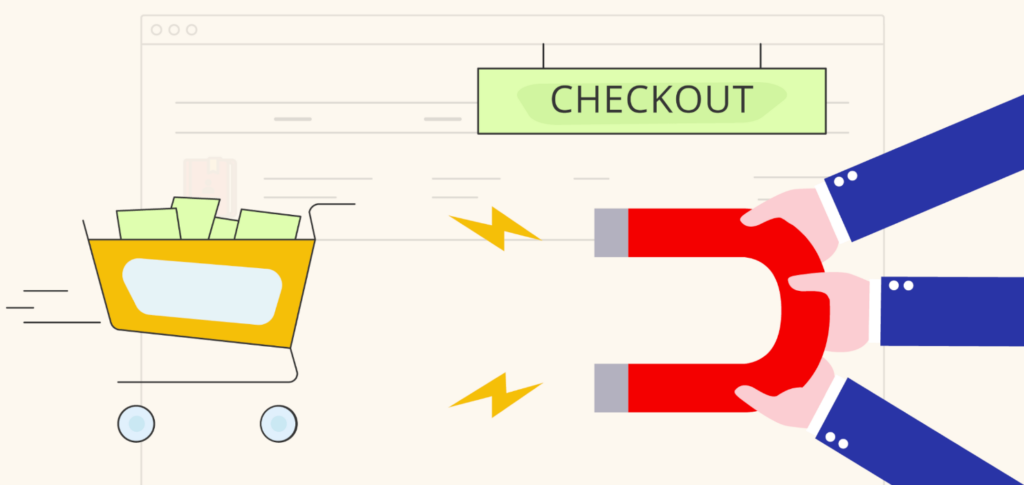
Cart abandonment is simply this:

  • Someone goes to your eCommerce store.
  • They add product to the cart and go to the Checkout Page.
  • Then they don’t complete their purchase and leave your store.

Cart abandonment is like an epidemic – it’s really bad.

One of the big reasons for cart abandonment is that people are busy.
They’re distracted.

You’ve probably abandoned a cart before. We have for multiple
reasons. When we look at how busy people are and what a distracted
world we live in, it makes sense.

Let’s look at some staggering numbers.

The average cart abandonment rate across all industries
in eCommerce is 70%-80% across all devices – desktop,
laptop, tablets, and mobile.

That means seven out of ten people that put a product in your cart
leave WITHOUT completing their purchase. You’ve probably noticed
this on your store.

It’s normal to have 70%+ of your shoppers abandon their cart without
checking out. If you have ten people add a product to their cart on your
store, you will have at least seven out of those ten leave WITHOUT
completing their purchase. This is… crazy! Learning these numbers blew
us away.

That means that unless we do something about it, out of all the effort
you put into getting people to your store, 70% of the ones that Add to
Cart ABANDON.

This means that a good portion of your efforts to get
the traffic you sent to your store – whether paid or organic – was wasted.

Unless you can figure out how to get people back to checkout.

When we look at the cart abandonment for mobile devices exclusively,
it is even worse at an average of 85%!

Why is that? Simple.

If you’re on a mobile device, you’re probably doing something and
can be easily distracted. Mobile devices magnify the reasons people
abandon.

There are many reasons for this, including connectivity issues
and website functionality issues, which we’ll talk about a little later.

Up to 8.5 people out of ten abandon your store’s shopping cart.
eCommerce brands lose $18 billion in sales revenue each year
because of cart abandonment.

This is from 2020 stats, so the number is probably higher now.
$18 billion.

We didn’t tell you all this to get you gloomy. We told you this
because the more you know about these averages, the more informed
you are. This gives you better decision-making information you can use
to improve your store’s performance.

Just remember that it is NORMAL for 7-8 out of every ten people
that add a product to the cart on your store to leave WITHOUT
completing the buying process.

It’s not because your product is weird. It’s just normal. Hopefully,
your number is not that high, but that’s what it is on average.

Things are about to get really exciting.

There is something called Cart Abandonment Recovery.

Why People Abandon Shopping Carts

Why do people abandon their carts? We’ll give you some stats.
These are not “the baby’s crying.” They are statistical. They are
taken from surveys. The statistics we’re referring to have been proven
repeatedly.

Reason #1: Extra or Unexpected Costs

The number one reason shoppers abandon their cart is because they
see extra costs on the Checkout Page. Remember, cart abandonment is
when they come to your eCommerce store, add a product to their cart,
go through the checkout process, but do not complete the purchase.
Here’s a tip.

If your shipping cost is too expensive, that could be a reason people are leaving. There are different ways to fix this. People are spoiled now by Amazon and others that offer free shipping. Amazon Prime is around $100 a year and anyone can get “free” two day shipping.

People expect low shipping costs now. That can be a challenge for
us as eCommerce store owners because shipping costs are expensive and
only getting more expensive. With COVID, it was a mess (2020-2021).
Supply chain issues will be a problem for a long time. Shipping costs will
only increase. And with gas prices soaring in 2022, it’s getting worse.
But there are ways around it.

You can get creative on how to overcome the shipping hurdle. Just
remember that 70% of the reason people abandon is for unexpected
extra costs once they got to check out.

Maybe it’s high shipping fees. Maybe it’s some other fee. Maybe it’s
a packaging fee. Maybe it’s sales tax…

If the number one reason people abandon carts (by a long shot) is
extra costs, be sure that you have no surprises when people get to the
Checkout Page.

It’s definitely okay to charge shipping. It’s okay to have
free shipping available once they spend a certain amount or get creative
to make the impact less. But they need to know what to expect before
you hit them with the total.

You want to be conscious of your shipping fees and any additional
charges that people might incur.

Reason #2: Forcing People to Create an Account

If the unexpected costs account for 70% of cart abandonment, this one’s
34% (yes, the numbers add up to over 100% because sometimes there
are multiple reasons for cart abandonment). If you force a customer to
create an account when they check out, they are more likely to abandon
it.

Shopify makes it optional to create an account, but some other
platforms make it mandatory. We’ll always have it optional so people
can check out as a guest.

You’ve probably abandoned a cart rather than create an account.
We’ve done it. We don’t want to create an account, depending on what
we’re buying. We’re thinking, “If I’m creating an account, they’re going
to start spamming me with emails and have my personal info.” It’s just
not a pleasant experience.

Reason #3: Slow Load Time

Here’s one that’s a shocker. 57% of shoppers will abandon if they have
to wait three seconds for a page to load. That’s crazy.

It wasn’t many years ago when we would wait several minutes just
to check our email. With AOL, it took three hours for the page to load.
Even for you to connect to the Internet it took a minute. Now, we live
in this ultra-fast world where people leave if your page doesn’t load in
three seconds.

Shopify is hosted and it’s fast. If you use WooCommerce or other
platforms, you may have to put them on a server – and you’d better get
the Mac Daddy hosting plan, or your site will be slow. With Shopify, if
you use a good theme without huge images or a ton of apps, a store will
load fast.

Reason #4: Discount Codes Don’t Work

46% of shoppers abandon a cart because a discount code doesn’t work.
This goes back to the unexpected costs issue, too. If you say you’re
going to offer a discount, make sure your coupon codes or Checkout
Page works properly.

If your shipping costs are too high, if you force people to make an
account, if your page loads slowly, and if your discount codes don’t work,
nobody’s checking out.

Check these things on your store.

Realistically, you can expect 70 to 80% cart abandonment. If you
plan on it, you can work on a solution. The unexpected is what can cause
failure. As we continue, we’ll talk about ways to improve this.

Are your shipping costs way too high/out of line? It’s okay to charge
for shipping, but it just doesn’t need to be crazy high. You can raise your
product price a little bit and drop your shipping cost. That’s a little secret
that we do sometimes. We raise the product price just a tad and knock a
few dollars off the shipping to get it to where it’s more reasonable. You
can do that, too.

Do you force people to make an account? If so, just turn that off.

Does your page load slow? Fix it!

Those are some things that can immediately reduce your cart
abandonment.

Work on decreasing cart abandons first.

Now lets look at ways to “Recover” Abandoned Carts

You literally can double your sales if you recover only three out of
the seven abandoned carts. This is what we’ve been able to accomplish
on our sites.

People had intent to buy, and they just didn’t buy. We must figure
out how to get them to come back to your store and buy.

If you do some aspect of cart abandonment, there may be some
improvement. You should be getting 2 or 3 out of the seven to come
back to your website.

We use an omni-channel approach to send out reminders. You can
use one or all of them:

  • Facebook Ads retargeting
  • Google Ads retargeting
  • Display ads
  • Native ads
  • Email
  • and SMS texting

We want to re-target people with some reminder of what they were
going to purchase.

“Oh hey, I was going to buy that. I needed that, but the dog started
barking and I had to go see what was going on. I forgot that I was
buying something.”

“I got distracted because the phone rang, and all of a sudden I forgot
about it.”

Then, maybe they see an ad on Facebook or on Google, or maybe get
an email that reminds them of the product they were interested in. This
encourages them to come back and make the purchase.

As you can see, retargeting cart abandonments across multiple platforms is powerful. Focus on recovering abandoned carts and you could massively
improve your sales and profitability.

Keep Reading…You Will Also Like:
The Three Pillars of eCommerce Part 1
Custom Formulated Supplement Manufacturing
The Ecom Institute – How to build a successful Brand on Shopify